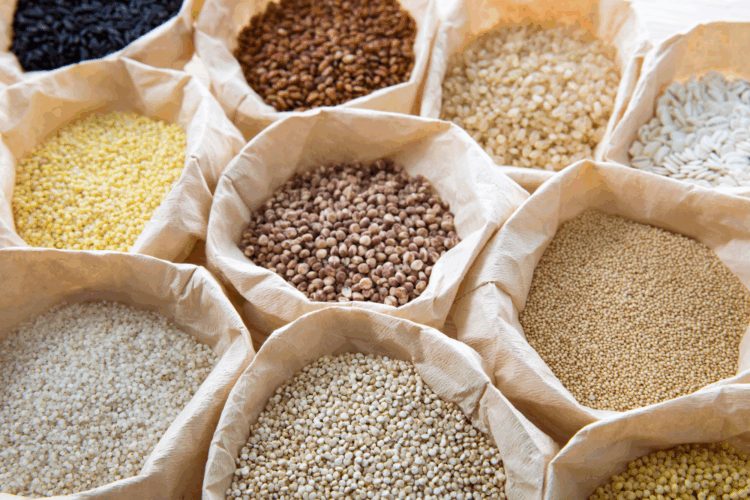
Millets are a group of small seeded grains that have been cultivated and consumed for thousands of years. They are not a single grain but a category that includes several varieties, each with its own texture, flavor, and cooking behavior. Millets are naturally gluten free and are valued for their nutritional density, resilience as crops, and versatility in cooking.
Traditionally grown in dry and semi-arid regions, millets thrive in conditions where many other grains struggle. This makes them an important food source in parts of Asia and Africa. In recent years, millets have gained global attention as people look for whole grains that are nutritious, sustainable, and suitable for diverse dietary needs.
Types of Millets
There are many kinds of millets, each suited to different culinary uses. Pearl millet has a robust, earthy taste and is often used for flatbreads and porridge. Finger millet is darker in color and has a slightly nutty flavor, making it suitable for porridges and fermented foods. Foxtail millet and little millet are lighter and cook into soft, fluffy grains that work well as rice substitutes.
Proso millet is mild and slightly sweet, often used in pilafs and baked dishes. Barnyard millet has a light texture and is commonly used in savory preparations. While the grains may look similar in size, their cooking times and water absorption vary, so they are usually cooked differently depending on the variety.
Taste and Texture Profile
Millets generally have a mild, nutty flavor that becomes more pronounced when toasted or cooked slowly. Some varieties taste slightly sweet, while others lean more earthy. This neutral base allows millets to pair well with both savory and lightly sweet preparations.
When cooked properly, millets can be fluffy, creamy, or slightly chewy depending on the method used. With more water, they break down into porridge-like textures. With controlled moisture, they remain separate and grainy. This flexibility makes millets suitable for breakfast dishes, main meals, and even baked goods.
Nutritional Benefits
Millets are rich in complex carbohydrates, plant based protein, dietary fiber, and essential minerals such as iron, magnesium, phosphorus, and zinc. They also contain antioxidants and have a relatively low glycemic impact when compared to refined grains. Because they digest slowly, millets help support steady energy levels and prolonged fullness.
Another advantage of millets is that they are naturally gluten free. This makes them a good choice for people with gluten sensitivity or those looking to diversify their grain intake. When eaten as whole grains, millets contribute to digestive health and overall nutritional balance.
Culinary Uses
Millets can be used in many of the same ways as rice, wheat, or oats. They are cooked into soft porridge for breakfast, used as a base for grain bowls, added to soups, or shaped into patties and flatbreads. Ground millet flour is used in breads, pancakes, and baked goods.
Because millets absorb flavor well, they work with a wide range of seasonings, vegetables, and legumes. They can be lightly toasted before cooking to enhance their aroma or cooked plain to let other ingredients shine. Their adaptability makes them easy to incorporate into everyday meals without drastic changes in cooking style.
Storage and Shelf Life
Whole millets should be stored in an airtight container in a cool, dry place. Because they contain natural oils, especially when unpolished, they are best consumed within a reasonable time frame. Refrigeration can help extend shelf life in warmer climates.
Once cooked, millets can be refrigerated for several days and reheated easily. They also freeze well, making them convenient for meal preparation. Proper storage helps preserve both flavor and nutritional quality.
Why Millets Matter Today
Millets are increasingly recognized not only for their health benefits but also for their environmental value. They require less water than many major grains and grow well without heavy chemical inputs. This makes them a sustainable option in the face of climate challenges and changing agricultural needs.
Including millets in modern diets supports grain diversity and helps reduce reliance on a narrow set of staple crops. Whether used occasionally or as a regular staple, millets offer a balance of nutrition, versatility, and sustainability that fits well into contemporary cooking.