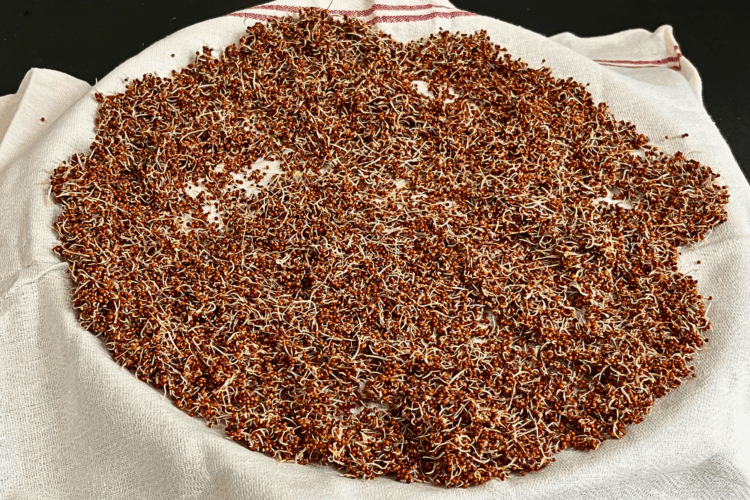
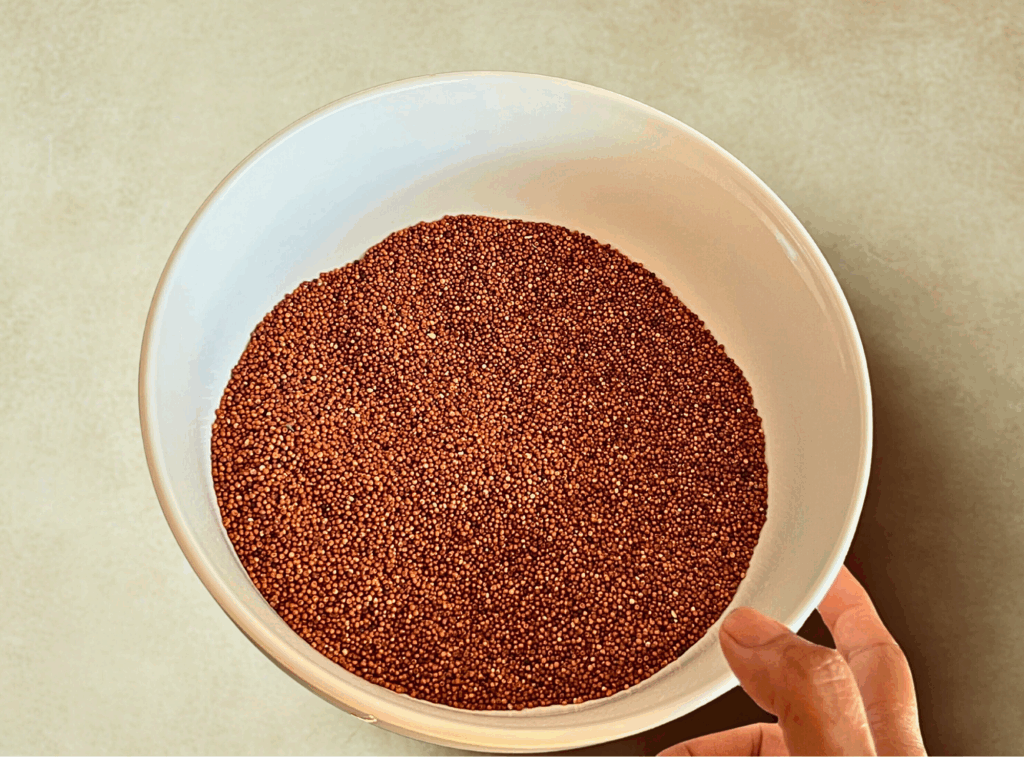
Sprouting ragi, also known as finger millet, is a traditional practice that improves its nutritional quality and makes it easier to digest. Ragi in its raw form is dense and mineral rich, but sprouting activates natural enzymes in the grain, making nutrients more bioavailable. Sprouted ragi is commonly dried and ground into flour or used in porridges and health-focused preparations. The process requires patience but very little equipment.
Unlike legumes, ragi grains do not swell much during soaking, but they respond well to moisture and warmth. With proper rinsing, drainage, and airflow, ragi sprouts safely and evenly over a few days.
Why Sprout Ragi
Ragi is already known for its high calcium, iron, and fiber content, but sprouting enhances these benefits. During sprouting, complex compounds begin to break down, which improves mineral absorption and reduces heaviness during digestion. Sprouted ragi is often preferred for children, older adults, and anyone looking for nourishing, easy to digest foods.
Sprouting also improves the flavor of ragi slightly, reducing bitterness and adding a mild sweetness. Once dried, sprouted ragi can be stored and used over time, making it a practical ingredient for regular use.
Preventing Mold and Spoilage
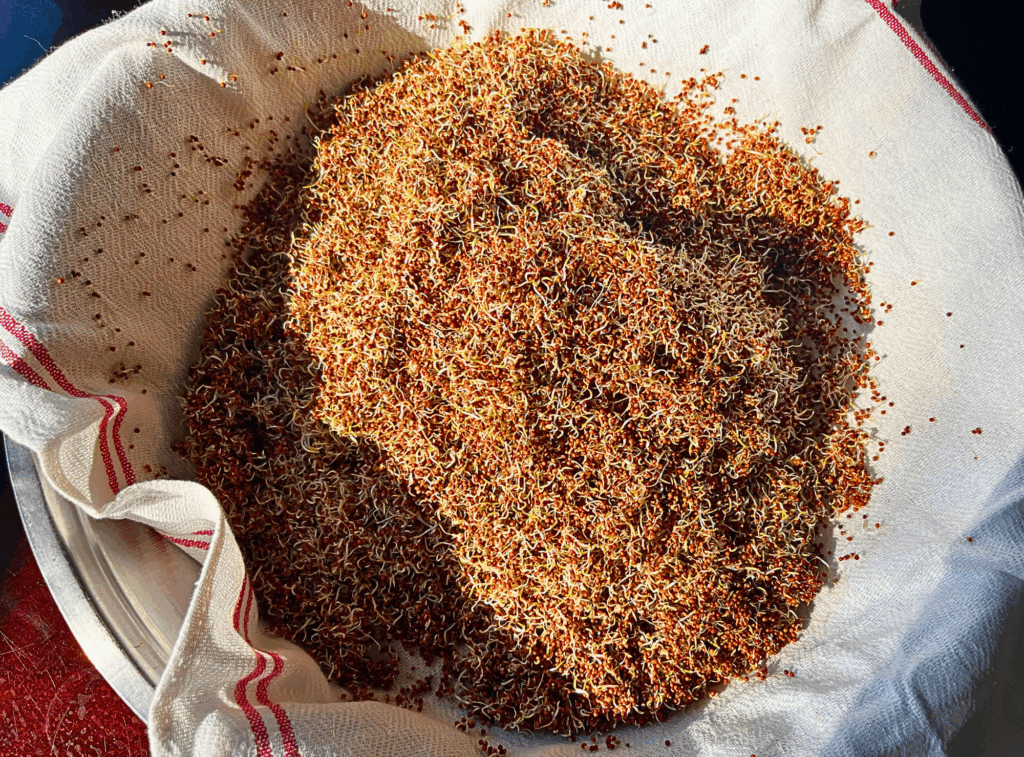
Cleanliness, drainage, and airflow are essential when sprouting ragi. Always discard soaking water completely and avoid letting the grains sit in moisture. The kitchen towel should remain slightly damp but never wet. Too much moisture can encourage mold, while dryness can stop sprouting.
Good airflow helps prevent spoilage, so avoid tightly covering the grains. Always rinse lightly before use and trust your senses. Any sour smell, sliminess, or visible mold means the sprouts should not be consumed. Properly sprouted ragi should smell neutral and fresh.
How To Use Sprouted Ragi
Sprouted ragi is most often dried and ground into flour. This flour is used to prepare porridges, health drinks, and nourishing meals. Some people also lightly roast dried sprouts before grinding to enhance shelf life and flavor.
Because sprouted ragi is nutrient dense and easy to digest, it is often included in balanced diets and traditional wellness-focused cooking. When prepared carefully, it becomes a valuable pantry ingredient with long-lasting benefits.

How To Sprout Ragi (Finger Millet)
Ingredients
Equipment
Method
- Start by checking the ragi carefully to ensure it is free from stones or debris. Place the grains in a bowl and add water. Rub the ragi gently between your palms to loosen any dust or husks. Drain the water and rinse again. Repeat this process until the water runs clear.
- Add fresh water to the cleaned ragi. Use four times the amount of water, even though ragi does not increase much in size. Cover the bowl and soak for six to eight hours or overnight. After soaking, rub the grains lightly once more and discard all the soaking water.
- Transfer the soaked ragi to a strainer placed over a bowl. Drain thoroughly until there is no standing water. Spread the grains evenly in the strainer so air can circulate properly. Cover with a clean kitchen towel.
- Keep the strainer in a warm, dark place. After sixteen to eighteen hours, small sprouts will begin to appear. Cover again with the kitchen towel, making sure the towel does not touch the grains directly. Lightly sprinkle water on the towel to keep the environment moist. Avoid excess moisture.
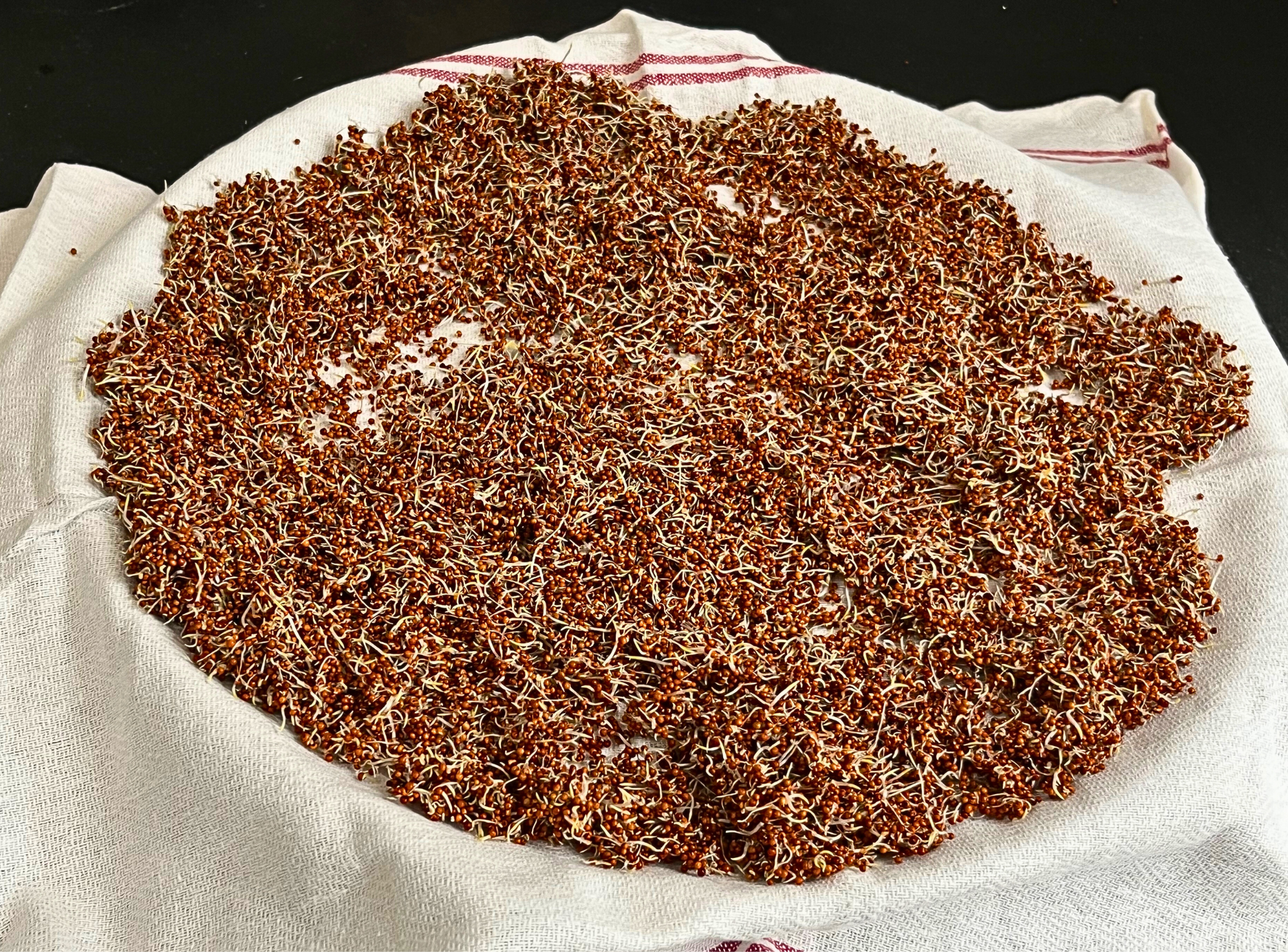
- Continue this process for up to three days. Check once or twice daily and keep the towel slightly damp. By the third day, the sprouts will reach a good size suitable for further use.
- Before using the sprouts, rinse them very lightly under running water. Smell the sprouts carefully. They should smell fresh and clean. If there is any sour or unpleasant smell, discard them.
- To dry the sprouts, spread them on a dry kitchen towel and let them air dry in the shade for about one hour. Once dry, store them in an airtight container. Dried sprouted ragi can be used immediately or ground into flour for later use.
Notes
- Always drain ragi thoroughly after soaking, as excess moisture can quickly lead to spoilage.
- Keep the kitchen towel damp, not wet, and ensure some airflow during sprouting.
- Sprout ragi in a warm, dark place for even and steady germination.
- Discard the batch if the sprouts smell sour or show any signs of mold.