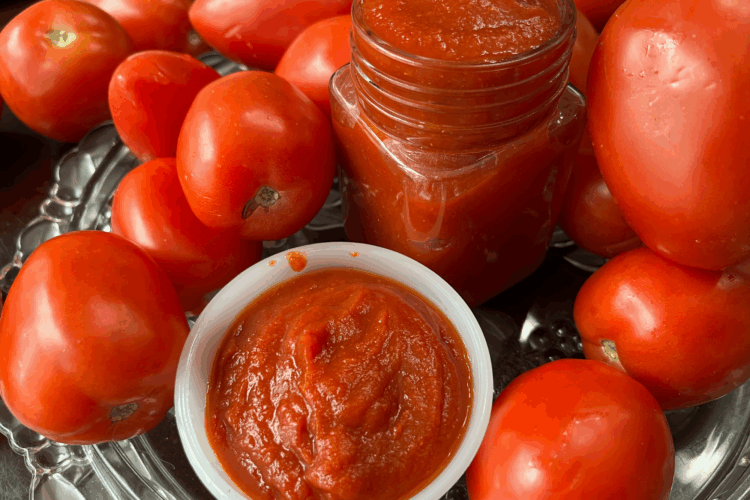
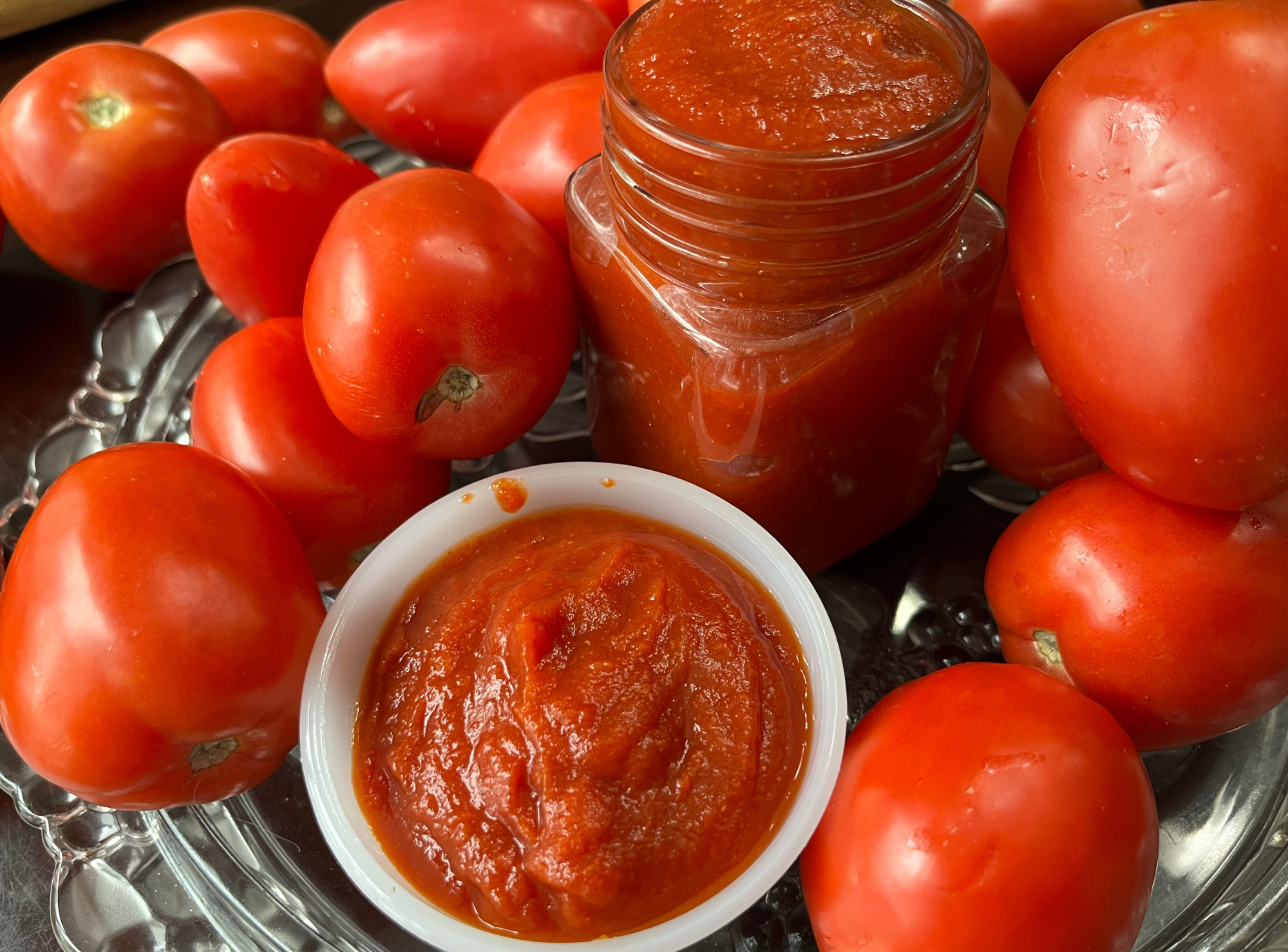
There’s something deeply satisfying about making your own ketchup at home. The aroma of tomatoes simmering with spices, the bright color that no bottled version can match, and the depth of flavor you get from slow cooking — it all feels nostalgic and special. This homemade tomato ketchup is naturally vibrant, slightly tangy, lightly spiced, and made without artificial flavors or preservatives. Once you try this version, it’s hard to go back to the bottled stuff.
Jump to RecipeWhy You’ll Love It
- Made from real, ripe tomatoes: Fresh flavor, no processed aftertaste.
- Better color and fragrance: Beetroot + slow cooking gives a rich red hue naturally.
- Customizable heat: Make it mild or spicy by adjusting or removing the chilies.
- Cleaner ingredients: No additives, stabilizers, or artificial thickeners.
Good To Know
Most people think ketchup’s flavor comes from tomatoes alone, but its true depth comes from balance — sweetness, acidity, spice, and slow reduction. The secret to a truly rich ketchup is letting tomatoes cook in their own juices first before adding sugar or vinegar. This step allows the natural sugars in the tomatoes to caramelize slightly, creating a deeper, almost jammy flavor.
One of the biggest secrets behind old-fashioned ketchup recipes is the balance of warmth and brightness. Spices like cloves, cinnamon, and peppercorns don’t make the ketchup taste “spiced” — instead, they sit quietly in the background, rounding out the flavor so the tomatoes taste sweeter, fuller, and more complex. It’s the kind of depth you can’t achieve with shortcuts or by tossing everything into a blender at once.
Another often-overlooked detail is consistency: ketchup thickens after cooling. Many people overcook it trying to reach the bottled texture. Letting it cool completely helps it tighten up naturally without losing freshness. This slow, careful reduction is what separates homemade ketchup from anything you pour out of a bottle.
Instead of relying on thickeners, stabilizers, or gums, homemade ketchup simply reduces slowly until it becomes rich and glossy. And here’s the part many people miss: ketchup thickens significantly after cooling. Pulling it off the heat at the right time keeps it spreadable, pourable, and silky — never gummy or glue-like. Homemade ketchup is a reminder that simple ingredients, when treated with patience, become something extraordinary.
Serving Suggestions
- Drizzle over fries, sweet potato wedges, or tater tots.
- Spread on burgers, sandwiches, or wraps.
- Serve with tofu nuggets, roasted veggies, or veggie patties.
- Use in BBQ glazes, stir-fries, marinades, or homemade baked beans.
- Add a spoonful to soups or curries for a subtle tangy-sweet lift.

How To Make Tomato Ketchup
Ingredients
Method
- Wash tomatoes, remove the white part near the stem, and chop into large pieces (do not blend or grate).
- In a pot add 2 tbsp water, chopped ginger, peeled chopped beetroot, and fresh red chilies.
- Add tomatoes and keep heat on low so they release moisture gradually.
- Lightly crush cinnamon, cloves, peppercorns, cumin, and cardamom; tie them in a cloth and place in the pot (optional).
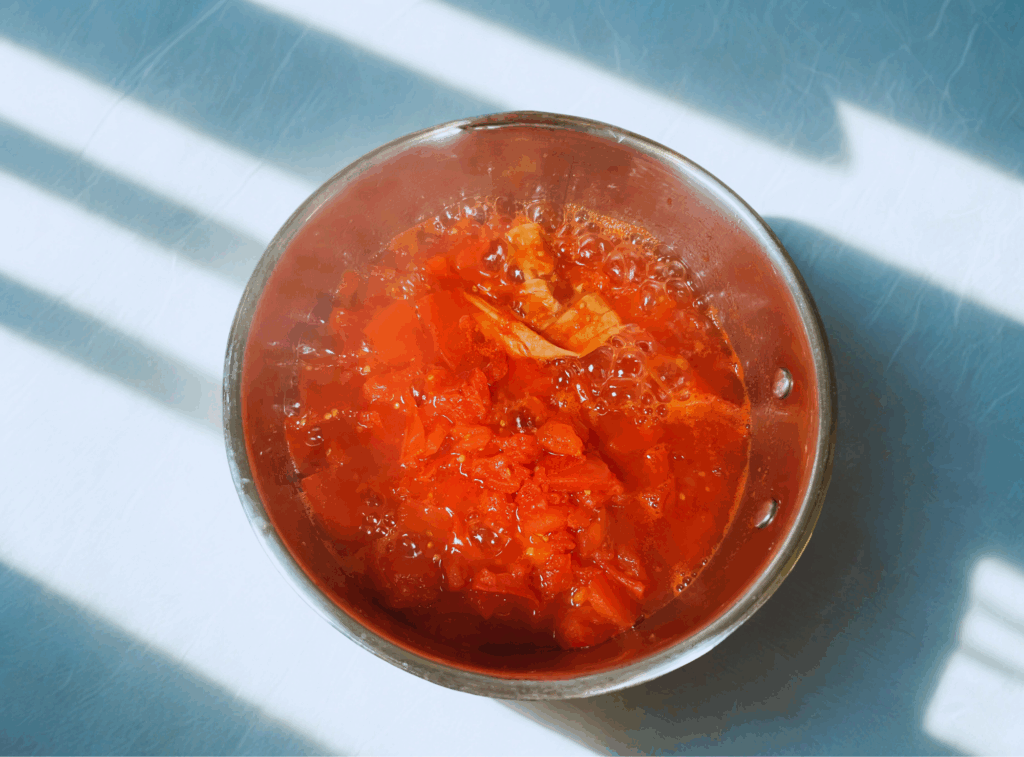
- Cover and cook on low for 8–10 minutes until tomatoes release juices, then increase to medium.
- Cook until the tomatoes turn soft and mushy (overcooked but not falling apart).
- Cool completely, remove the spice bundle, and blend briefly — avoid overblending.
- Strain and return the smooth puree to the pot on low-medium heat.
- Add sugar, vinegar, salts, and Kashmiri chili powder; mix thoroughly.
- Keep the pot ¾ covered, stirring occasionally as it thickens.
- Test doneness by placing a dollop on a plate — if it runs, cook longer; if it holds, it’s ready.
- Cool fully before transferring to dry, airtight containers.
- Store in multiple small jars for best freshness.
This is delicious! I have IBS so I wanted ketchup without onion and garlic, many recipes use cornstarch but that ingredient is not great for people with IBS. I’ve been looking for recipe like this for years! I may never buy ketchup again