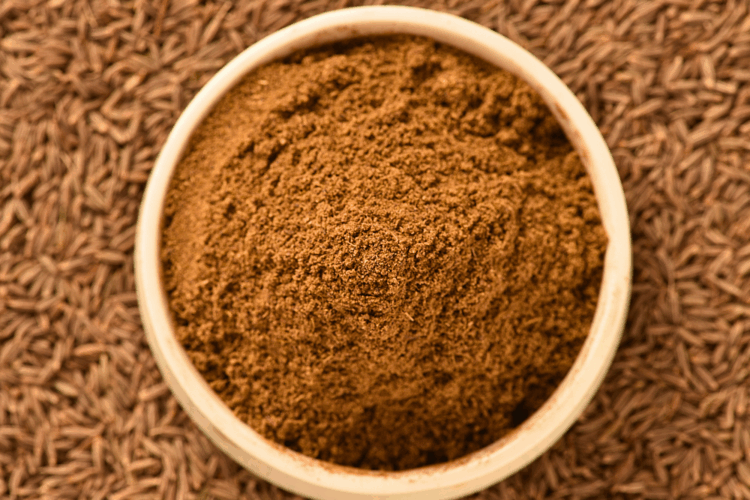
Roasted cumin seeds are one of those humble kitchen ingredients that quietly elevate a dish from simple to deeply aromatic. Whether you’re building flavor in a curry, brightening a salad, or adding warmth to homemade spice blends, learning to roast cumin seeds properly is an essential skill. This guide walks you through the “why” and the “how,” with tips, context, and vegan-friendly usage ideas that avoid onion and garlic.
Jump to RecipeCumin seeds are tiny, ridged seeds with an outsized personality. When raw, they’re earthy and slightly bitter; when roasted, they transform—becoming nutty, warm, and intensely fragrant. Roasting cumin is a quick technique that unlocks deeper layers of flavor, making dishes taste fuller and more balanced. The beauty of this method is that it requires no oil, no elaborate setup, and only a few minutes of attention.
Cuisines That Use Roasted Cumin Powder
Cumin is one of the world’s oldest spices, used across continents for its unmistakable aroma.
- Indian cuisine: Possibly the most extensive user of cumin, roasted cumin goes into spice mixes (like chaat masala), dals, sabzis, side dishes and countless everyday dishes.
- Middle Eastern cuisine: Often combined with coriander, cinnamon, and chili, roasted cumin gives depth to hummus, stews, and grain dishes.
- North African cooking: Integral to tagines, couscous spice blends, and spice pastes like harissa.
- Latin American cuisine: Used in rubs, bean dishes, and salsas – sometimes lightly toasted to bring forward smoky notes.
Though each region uses cumin differently, the common thread is simple: roasting enhances its flavor, making it more vibrant and rounded.
Wellness Perks
Cumin isn’t just a culinary staple, it has been used traditionally for various health benefits:
- Aids digestion: Roasted cumin is known to support gut health, reduce bloating, and promote smoother digestion.
- Rich in antioxidants: Helps reduce oxidative stress and supports overall health.
- Regulates metabolism: Some studies show cumin supports weight management and metabolic balance.
- Great for hydration and cooling: When added to drinks like jeera water or vegan buttermilk alternatives, roasted cumin can help cool the body and support electrolyte balance.
Roasting does not diminish these benefits; in fact, it often makes cumin gentler on the stomach.
Suggested Use
Here are versatile, fully vegan ways to incorporate roasted cumin into your meals:
- Sprinkle over salads: Especially cucumber, tomato, pumpkin, millet, or quinoa salads.
- Add to plant-based yogurts and raitas: Works beautifully with coconut, almond, or cashew yogurt.
- Season your vegetables: Toss roasted cumin into sautéed greens, roasted pumpkin, carrots, or zucchini.
- Stir into dal or bean-based soups: Enhances flavor without relying on onion or garlic.
- Mix into spice blends: Combine with coriander, turmeric, black pepper, dried mint, or chili to make an all-purpose seasoning.
- Use in drinks: Add to fresh lemon water, coconut buttermilk, or cooling mint jeera drinks.
- Finish rice dishes: Sprinkle over plain steamed rice, lemon rice, or millet pilafs.
Roasted cumin adds warmth without overpowering a dish — perfect for clean, simple, plant-forward cooking.
Good to Know
- Low heat is key: Cumin burns easily. Even a few seconds of over-roasting can turn it bitter.
- Color shift signals readiness: Perfectly roasted cumin turns a shade darker (not black) while releasing a strong, nutty aroma.
- Cool before grinding: If making roasted cumin powder, let the seeds cool to avoid clumping and uneven grinding.
- Store properly: Whole roasted seeds keep their flavor longer than powder. Use an airtight jar, away from heat and sunlight.
- Batch size: Roast small batches at a time; freshly roasted cumin has the best flavor.
- Versatile in sweet dishes: In some cultures, roasted cumin is used in fruit salads, sweet drinks, and even spiced vegan desserts.
How To Make Roasted Cumin Seed Powder
Materials
- Whole cumin seeds
- A dry heavy-bottomed pan
- A large spoon or spatula
Instructions
Roasting Cumin Seeds
- Place a clean, dry pan on medium-low heat. Allow it to warm for 20–30 seconds.
- Pour in the desired amount, typically 1–4 tablespoons. Spread them evenly across the surface.
- Keep the seeds moving to prevent uneven roasting or burning. You’ll notice the aroma intensifying as they heat.
- Within 2–4 minutes, the seeds will turn slightly darker, and you may hear faint popping sounds. This is your sign they’re done.
- Transfer the seeds to a cool plate or bowl to stop the roasting process. Leaving them in the hot pan can cause over-browning.
- Once cooled, store whole or grind into a fine powder. Use within 4–6 weeks for maximum flavor.
Making Cumin Seed Powder
- After roasting, let the cumin seeds sit for at least 5–10 minutes. Warm seeds create steam while grinding, which can cause clumping and dull the aroma.
- Add the roasted seeds to a completely dry grinder bowl. Moisture is the enemy of good spice powder—it reduces shelf life and affects texture.
- Use short pulses to break down the seeds gradually. This prevents overheating, which can make the powder taste slightly burnt.
- Continue pulsing until the cumin becomes a fine, even powder. If you prefer a slightly coarse texture (great for sprinkling over salads or vegan raitas), stop a bit earlier.
- If you want professional-level smoothness, pass the powder through a fine mesh sieve. Return any coarse bits to the grinder and pulse again.
- Freshly ground spices warm up slightly from friction. Allow the powder to cool for a few minutes so condensation doesn’t form in the jar.
- Keep in a glass jar with a tight lid, away from sunlight and heat. For best flavor, use within 1–2 months.