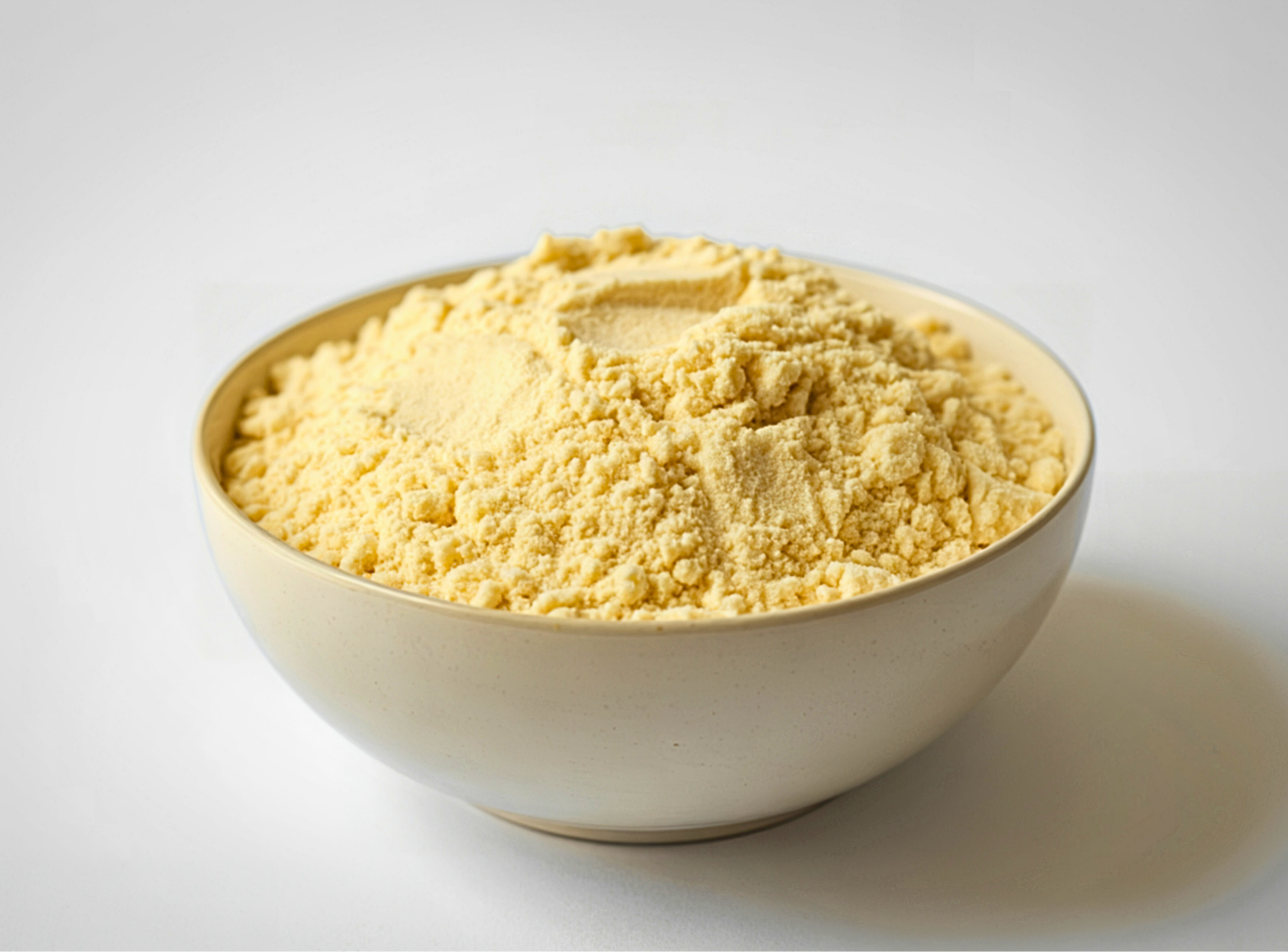

Ingredients
Equipment
Method
Heat the pan
- Place a clean, dry, heavy bottom pan on low heat. Let it warm for about 30 seconds.
Add the chickpea flour
- Add the required quantity of besan to the pan. Spread it evenly.
Begin dry roasting
- Start stirring immediately. Use slow, continuous movements to prevent sticking or burning.
Maintain low heat
- Keep the flame low throughout. Roasting besan is a slow process and can take 10 to 15 minutes depending on quantity.
Watch for aroma change
- At first, the flour will smell raw and grassy. Gradually, it will begin to smell nutty and warm.
- This aroma change is the most reliable sign that the flour is roasted.
Observe colour and texture
- The colour may deepen slightly, but do not wait for a dark colour. The texture will feel lighter and smoother as it roasts.
Remove from heat at the right moment
- Once the nutty aroma is strong and consistent, immediately transfer the roasted flour to a plate or bowl.
- Leaving it in the hot pan can cause over roasting.
Cool completely
- Let the roasted besan cool fully before using or storing. This prevents condensation and clumping.
Notes
- Always roast chickpea flour on low heat to prevent burning and uneven cooking.
- Stir continuously and scrape the bottom and sides of the pan to avoid hot spots.
- Aroma is a better indicator than color. Stop roasting as soon as the nutty smell develops.
- Transfer the roasted flour out of the hot pan immediately to prevent over roasting.
- Use a heavy bottom pan for consistent heat distribution.
- Let the flour cool completely before storing or using in recipes.
- Store roasted chickpea flour in an airtight container in a cool, dry place.
