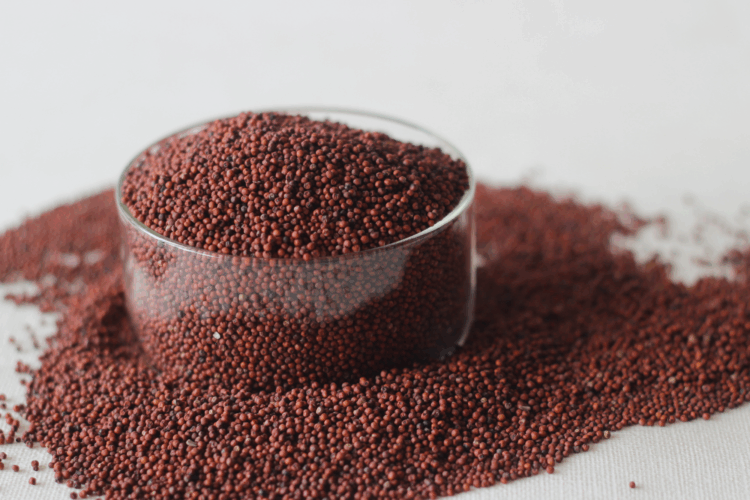
Ragi, also known as finger millet, is a small seeded cereal grain that has been consumed for centuries. It gets its name from the way the grain clusters resemble fingers on a hand. Ragi is naturally gluten free and is known for its dense nutritional profile. It is commonly consumed in whole grain form or as flour and plays an important role in traditional diets, especially in South India and parts of East Africa.
Unlike refined grains, ragi is usually eaten whole or minimally processed. This helps retain its fiber, minerals, and natural compounds. Because of its ability to provide long lasting energy and support bone health, ragi has traditionally been used in foods for children, older adults, and people recovering from illness.
Origins and History
Finger millet is believed to have originated in East Africa more than four thousand years ago. From there, it spread to the Indian subcontinent through early trade and migration. Over time, it adapted well to the dry and semi-arid regions of India, particularly in Karnataka, Tamil Nadu, Andhra Pradesh, and parts of Maharashtra.
Ragi became a staple grain in these regions because it could grow with minimal rainfall and poor soil conditions. It was relied upon during periods of drought when other crops failed. Traditional farming systems valued ragi not only for its resilience but also for its ability to nourish communities over long periods. Even today, ragi remains closely tied to regional food cultures and agricultural practices.
Taste and Texture Profile
Ragi has a deep, earthy flavor with a slightly nutty and roasted note. Compared to lighter millets, its taste is more pronounced. When cooked, ragi develops a smooth, dense texture that feels grounding and filling. The grain absorbs water well and can become creamy or firm depending on how it is prepared.
Ragi flour produces a soft yet hearty texture in porridges, flatbreads, and batters. Whole ragi grains, when cooked, remain slightly chewy. The grain pairs well with mild seasonings as well as stronger flavors because its natural taste holds its own without overpowering other ingredients.
Nutritional Benefits
Ragi is especially valued for its high calcium content, which supports bone strength and overall skeletal health. It is also rich in iron, magnesium, dietary fiber, and plant based protein. The grain contains complex carbohydrates that digest slowly, helping maintain steady energy levels.
Another important feature of ragi is its low glycemic response when consumed as a whole grain. This makes it suitable for people looking to manage blood sugar levels. Its high fiber content supports digestive health and contributes to a feeling of fullness, which can help with balanced eating patterns.
Culinary Uses
Ragi is used in many traditional and modern preparations. Ragi flour is commonly cooked into porridge, used to make flatbreads, steamed dumplings, and fermented batters. In some regions, it is used to prepare soft breakfast dishes and nourishing meals for all ages.
Whole ragi grains are soaked and cooked or sometimes sprouted before use. Sprouted ragi is ground into flour for enhanced nutrition and easier digestion. Ragi also works well in baked goods, pancakes, and savory dishes when combined with other flours or grains. Its adaptability allows it to be used in both everyday meals and specialty preparations.
Storage and Shelf Life
Whole ragi grains should be stored in an airtight container in a cool, dry place. They have a long shelf life when kept away from moisture. Ragi flour contains natural oils and is best stored in the refrigerator or freezer, especially in warm climates, to maintain freshness.
Cooked ragi dishes should be refrigerated and consumed within a few days. Proper storage helps preserve flavor and nutritional quality while preventing spoilage.
Ragi in Everyday Diets
Ragi is a grain that suits a wide range of dietary needs. Its high calcium content makes it particularly useful for growing children, older adults, and anyone looking to support bone health through food. Because it provides steady energy and keeps you full for longer, it works well in meals for people with physically demanding routines or long workdays.
The grain is also a good option for those seeking naturally gluten free foods or looking to diversify their grain intake beyond rice and wheat. When prepared in simple, well cooked forms, ragi is gentle on digestion and can be adapted for both light meals and more substantial dishes. Its versatility and nutrient density make it a practical grain for everyday use across different age groups and lifestyles.
Including ragi in modern diets encourages grain diversity and reconnects cooking with traditional food systems. Whether used occasionally or as a regular staple, ragi offers nourishment, versatility, and sustainability, making it a valuable grain for present and future food choices.