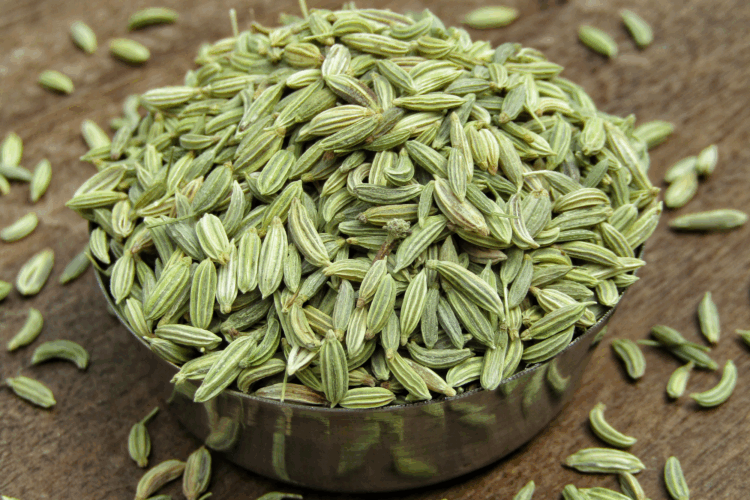
Fennel seeds are the dried fruits of the Foeniculum vulgare plant, a member of the carrot family known for its feathery leaves and fragrant bulbs. The seeds have a distinct sweet, aromatic flavor that sets them apart from most spices used in everyday cooking. They come in shades of green to yellowish-brown, with greener seeds usually indicating better quality and freshness.
These seeds are widely used across Indian, Middle Eastern, Mediterranean, and East Asian cuisines. Beyond cooking, fennel seeds hold a strong place in traditional herbal practices, especially for digestion and soothing the stomach. In India, they are commonly eaten as a mouth freshener after meals, either plain or sugar-coated.
Recipes To Try
Explore delicious recipes you can make using this ingredient
Origins and History
Fennel is native to the Mediterranean region, where it has been cultivated for thousands of years. Ancient Greeks and Romans prized the plant not only for its flavour but also for its symbolisms — fennel was associated with courage, vitality, and longevity. It was widely used in early medicines and rituals, and soon spread across Europe through trade and conquest.
As fennel cultivation expanded, the seeds became integrated into Middle Eastern and South Asian cooking. In medieval Europe, fennel was believed to ward off evil spirits and was hung in doorways during midsummer celebrations. Its aromatic qualities also made it a valued ingredient during religious fasts, helping suppress appetite.
Today, fennel is grown globally, with India being one of the largest producers and consumers. It remains a major ingredient in spice mixes, breads, pickles, teas, and digestive blends, carrying forward its long history of both culinary and medicinal significance.
Taste Profile
Fennel seeds have a naturally sweet, warm, and slightly licorice-like flavor. The sweetness is gentle rather than sugary, with an aroma that feels fresh, cooling, and lightly herbal. When you bite into a whole seed, it releases a burst of sweetness paired with a mild peppery note, making it pleasant to chew even on its own.
Toasting fennel seeds intensifies their flavor, bringing out deeper caramel-like notes and a richer nuttiness. Ground fennel gives dishes a smooth, mellow backbone without overwhelming other spices. Their compatibility with cumin, coriander, cinnamon, and cloves makes them a versatile part of spice blends. Whether used whole, crushed, or ground, fennel adds a sweet, aromatic brightness that instantly lifts both sweet and savory dishes.
How to Store and Use
Store fennel seeds in an airtight container away from sunlight and heat to preserve their aroma. Whole seeds maintain freshness for up to a year or more, while ground fennel loses its potency faster, so it’s best to grind it in small batches. A dry, cool pantry shelf is usually perfect for keeping fennel fragrant and flavourful.
In cooking, fennel seeds can be used whole for tempering, where they crackle and release their sweetness in hot oil. They work beautifully in curries, dals, vegetable dishes, and pickles. Lightly crushing the seeds before use helps extract more aroma, especially in marinades and rubs. Roasted seeds also make a great addition to breads, biscotti, and spice mixes.
Fennel tea, made by steeping crushed seeds in hot water, is a common herbal remedy for digestion and bloating. In Indian cuisine, toasted fennel serves as a post-meal mouth freshener, thanks to its natural sweetness and cooling effect. However you use them, fennel seeds bring a soft sweetness and aromatic depth to a wide range of preparations.
Good to Know
Fennel seeds are naturally sweet, making them one of the few spices that can transition effortlessly between sweet and savory dishes. Crushing or lightly toasting them right before use unlocks their essential oils, giving dishes a fresher, stronger aroma. Green, plump seeds are considered the best quality, as they retain more flavor than pale or shrivelled ones. Fennel is also known for its digestive benefits, which is why it is traditionally eaten after meals in many cultures. A pinch of roasted fennel can brighten masalas, breads, teas, and even desserts, adding subtle sweetness without overpowering the dish.