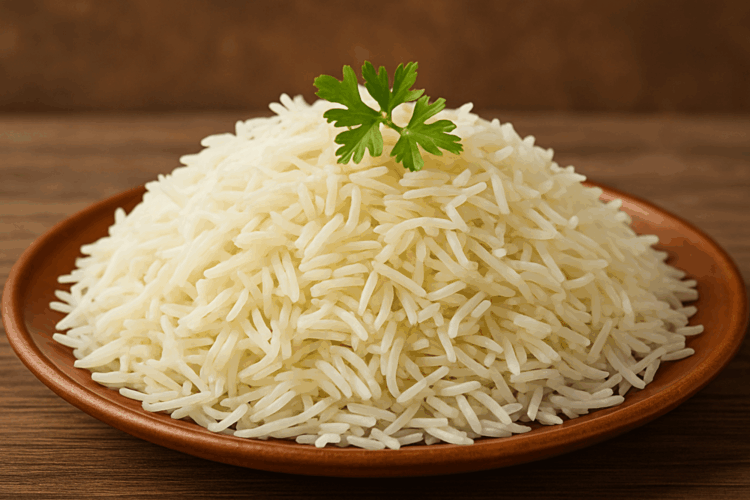
Rice is one of the simplest ingredients in the pantry, yet achieving consistently fluffy, separate, perfectly cooked grains is its own kind of kitchen skill. Whether you are making short-grain white rice, fragrant basmati, or hearty brown rice, the technique matters just as much as the variety. This guide gives you practical steps, simple checks, troubleshooting, and clean vegan serving ideas so rice becomes the easiest thing you cook, not the most unpredictable.
Jump to RecipeRice is a staple across countless cuisines from South Asian and East Asian to Middle Eastern, African, and Latin American. Despite its universal presence, many people struggle with cooking it correctly: too mushy, too hard, burnt, sticky, or uneven. The good news? Perfect rice is not about fancy tools. It is about washing, proportion, heat control, and letting steam do its work.
This guide walks you through everything from prepping the rice to understanding how each variety behaves, along with tips and suggestions.
Why Rice Cooking Techniques Differ
Different varieties of rice have different amounts of starch, structure, and cooking times:
- Short-grain white rice is starchier and cooks quickly.
- Basmati rice is aromatic, long-grained, and benefits from soaking.
- Brown rice has its bran layer intact, making it more nutritious but requiring more water and time.
Understanding this makes it easier to adapt the core absorption method to each grain type.
Suggested Uses
Once you master the basic technique, perfect rice becomes an easy base for many simple, flavorful meals.
- Lemon rice with turmeric, roasted peanuts, and curry leaves
- Steamed rice bowls topped with sautéed vegetables, tofu, or lentils
- Simple dal-rice meals using legumes such as moong dal (mung bean), masoor dal (lentil), or toor dal (pigeon pea)
- Vegan curd rice using coconut yogurt, flaxseed, cucumber, and roasted cumin
- Buddha bowls with chickpeas, roasted sweet potato, tahini, and herbs
- Fried rice made using leftover rice (best when chilled overnight)
- Herbed rice with mint, coriander, roasted cumin, and a squeeze of lime
- Rice with coconut milk for a mild, comforting side dish
- Rice salads with veggies, lemon dressing, and toasted seeds
Perfectly cooked rice is neutral, versatile, and easy to pair with almost anything.
Good to Know
- Washing is non-negotiable: Removes excess starch and impurities.
- Salt is optional but helpful: Lightly seasoning the water ensures even salt distribution; water should taste like mild sea water.
- Lid matters: A tight-fitting lid traps steam, which finishes cooking the rice.
- Do not open the pot mid-way: Steam escape is one of the most common causes of undercooked grains.
- Resting/steaming time is essential: The final 10-minute rest after switching off the heat is what gives fluffy grains.
- Pot choice: Heavy-bottomed pots prevent burning and distribute heat evenly.
- Avoid stirring while cooking: It breaks grains and increases stickiness.
Before You Start: Checking & Washing the Rice
1. Check rice quality
Spread a handful of rice on your palm or a plate and pick through it. Ensure there are no unwanted particles like husk, tiny stones, or bits of wood.
2. Wash the rice thoroughly
Add the rice to a bowl and cover with clean, room-temperature water. Swirl with your fingers.
Let the water settle for 10–15 seconds—you’ll notice impurities floating.
Drain and repeat 2–3 times until the water becomes much clearer.
3. Optional: Season the water with salt
If adding salt, the cooking water should taste like mild sea water—not very salty, just lightly seasoned.
Troubleshooting: Common Problems & Reliable Fixes
Even with careful preparation, rice can sometimes behave unpredictably. Here are the most common issues and how to fix them without wasting the batch, plus how to avoid the same problem next time.
1. Rice Turned Out Mushy or Too Soft
What went wrong:
- Too much water
- Heat was too low during the initial boiling
- Stirring the rice while cooking
How to fix it now:
- Spread the rice on a wide plate and let steam escape; this helps firm it up.
- If slightly mushy, keep the pot uncovered on low heat for 2–3 minutes to evaporate excess moisture.
- If very mushy, use it for lemon rice, curd rice, fried rice, or patties so as to not waste it.
How to avoid next time:
- Measure water accurately.
- Do not over-stir rice once cooking starts as it breaks grains.
- Ensure the flame is high for the first 8 minutes.
2. Rice Is Undercooked or Hard in the Center
What went wrong:
- Not enough water
- Cooked too fast or lid opened too early
- For basmati: not soaking long enough
- For brown rice: not enough cooking time
How to fix it now:
- Sprinkle 2–3 tablespoons of hot water, cover, and steam on low for 5 minutes.
- For very undercooked rice, drizzle ¼ cup boiling water, cover tightly, and cook 5–7 more minutes on low.
How to avoid next time:
- Stick to correct rice-to-water ratios.
- Do not open the lid during resting time, steam is essential.
- For brown rice, be patient; it needs 25–30 minutes.
3. Rice Burnt at the Bottom
What went wrong:
- Flame was too high during covered cooking
- Too little water
- Thin pot or uneven heat
- Leaving the pot on the stove even after flame-off
How to fix it now:
- Do not stir, this will mix burnt flavor into the rest.
- Gently transfer the top layers to another bowl.
- If there’s slight smokiness, place a slice of bread on top for 5 minutes, it absorbs odor.
How to avoid next time:
- Use a thick, heavy-bottomed pot.
- Lower the heat the moment you cover the rice.
- Remove from the hot stove after turning the flame off.
4. Rice Is Sticky or Clumped Together
What went wrong:
- Not washing enough
- Using starchy short-grain rice but expecting long-grain fluffiness
- Too much water
- Stirring the rice during cooking or immediately after
How to fix it now:
- Fluff gently with a fork after the steaming stage.
- Spread on a plate to separate grains as it cools.
- If slightly sticky, use for fried rice, chilling it fixes texture.
How to avoid next time:
- Wash 2–3 times until water is much clearer.
- For basmati, soaking is essential.
- Do not stir during cooking.
5. Rice Is Cooked but Wet at the Bottom
What went wrong:
- Flame was too low during initial cooking
- Too much water
- Pot was too tight-lidded without evaporation
How to fix it now:
- Continue cooking on low heat uncovered for 2–3 minutes.
- Otherwise, drain through a colander (like pasta), then let steam dry for 5 minutes.
How to avoid next time:
- Keep flame on high for the first 8 minutes (white rice and basmati).
- Use the correct pot size, a deep pot allows steam circulation.
6. Rice Has a Raw Smell or Tastes Chalky
What went wrong:
- Not enough steaming/resting time
- Undercooked due to insufficient boiling phase
- For brown rice: bran not fully softened
How to fix it now:
- Add a splash of hot water, cover tightly, and steam for 5–10 minutes on low.
How to avoid next time:
- Never skip the 10-minute resting/steaming period after turning off the flame.
- Ensure the lid fits snugly.
7. Rice Overflowed or Foamed Over While Cooking
What went wrong:
- Pot was too small
- Too much starch on grains
- Water boiling too aggressively
How to fix it now:
- Reduce flame immediately and continue cooking uncovered for 30 seconds.
- Clean the pot edges to avoid burning residue smell.
How to avoid next time:
- Use a deep pot with plenty of headspace.
- Wash rice thoroughly.
- Maintain a controlled boil (rolling, not erupting).
How To Cook White Rice (Short to Medium Grain)
Materials
- 1 cup short-grain white rice
- 2 cups water
- Salt optional
Instructions
- Rinse as described above.
- Transfer the rice to a clean, deep pot.
- Add 2 cups of water and salt if using.
- Place on high heat and bring to a bubbling boil.
- Allow it to boil uncovered for 8 minutes.
- After 8 minutes, lower the flame, cover with a lid, and cook for 3 more minutes.
- You will see condensation on the lid—this is normal and needed for steam cooking.
- Optional tip: If you worry about over-steaming, place a clean kitchen towel between the pot and the lid; it absorbs excess moisture.
- After a total of 11 minutes, turn the heat off.
- Do not open the lid immediately. Let the rice rest and steam inside for at least 10 minutes. This settling period is what makes the rice perfectly fluffy.
How To Cook Basmati Rice
Materials
- 1 cup basmati rice
- 2 cups water
- Salt optional
Instructions
- Wash the rice as described earlier.
- Soak basmati in water for 15 minutes—this helps elongate the grains and prevents breakage.
- Drain the soaked rice and transfer it to a clean, deep pot.
- Add 2 cups of water and salt if using.
- Cook on high heat for 8 minutes
- Then cover, reduce heat, and cook 3 more minutes
- Turn off the flame and let it steam undisturbed for at least 10 minutes. This step is crucial for long, separate basmati grains.
How To Cook Brown Rice
Materials
- 1 cup brown rice
- 3 cups water
- Salt optional
Instructions
- No need to soak brown rice.
- Wash the rice 2–3 times as explained earlier.
- Transfer to a clean, deep pot.
- Add 3 cups of water and salt if using.
- Cook on high heat until it begins to boil vigorously.
- Reduce to medium-low, cover, and cook for 25–30 minutes. Brown rice takes longer due to the bran layer.
- Once the water is mostly absorbed and the grains are tender, switch off the flame.
- Let it sit covered for 10 minutes so the steam finishes the cooking and makes it fluffier.
Texture Guide
- For firm separate grains, use slightly less water and avoid stirring.
- For softer rice, add a little more water and allow longer resting time.
- For creamy or porridge style rice, increase water and cook longer at a gentle simmer.
- For fried rice, chill the rice after cooking so the grains firm up.
Finally, a guide that masters the nuances of every grain! The specific breakdown of the 8-minute boil vs. the 10-minute rest is a game-changer for achieving that elusive fluffiness. It’s rare to find such clear, reliable instructions for white, basmati, and brown rice all in one place. My rice has never been more consistent!