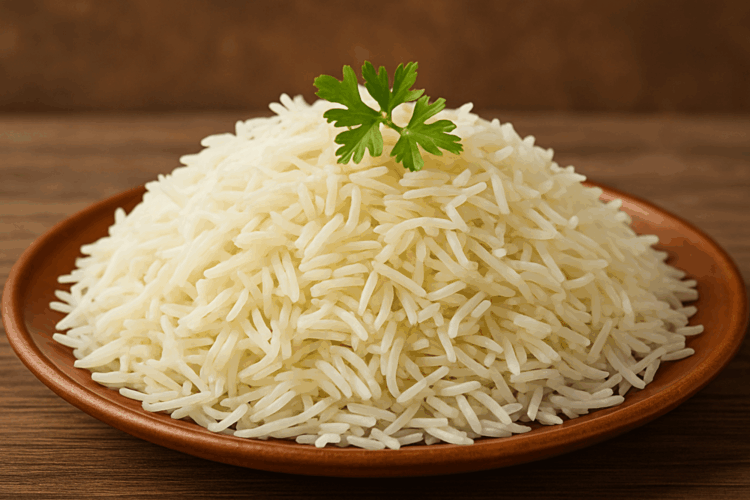
Rice is one of the most widely consumed grains in the world and has been a staple food for thousands of years. It is the seed of the Oryza plant and comes in many varieties that differ in size, aroma, texture, and colour. Rice is central to many cuisines and plays an important role in cultural traditions, everyday meals, and ceremonial dishes. It can be enjoyed plain, steamed, boiled, or transformed into elaborate preparations ranging from pilafs to desserts.
Rice is naturally gluten free and provides carbohydrates, a small amount of protein, and essential minerals such as magnesium and phosphorus. It is valued for its versatility and ability to pair well with vegetables, spices, lentils, and herbs. Different varieties of rice behave differently when cooked, which allows them to suit everything from fluffy grain based dishes to creamy porridge like preparations.
Origins and History
Rice has ancient roots in Asia, with archaeological evidence showing cultivation as early as nine thousand years ago along the Yangtze River in China. It spread from East Asia into Southeast Asia, India, and eventually to the Middle East and Europe through trade routes. India and China became major centers of rice agriculture, where countless regional varieties developed over centuries through careful selection and adaptation to climate.
As rice farming practices improved, the grain became a significant part of cultural identity. In India, rice was not only food but also an important symbol in rituals, festivals, and hospitality. South India, Bengal, and the Himalayan regions developed their own preferred cultivars such as sona masuri, gobindobhog, and red matta rice. In other parts of Asia, long grain varieties became common, especially aromatic types like jasmine rice in Thailand and basmati rice in the Indian subcontinent.
Today, rice is grown in more than a hundred countries and feeds more than half of the world’s population. Its long history is reflected in its diversity of flavours and cooking styles, which vary widely across cultures.
Taste Profile
Rice has a mild neutral flavour that allows it to pair beautifully with a wide range of foods. This neutral taste is part of what makes rice such a universal grain. While plain steamed rice has a soft, clean taste, individual varieties offer subtle differences.
Basmati rice has a delicate floral aroma with long slender grains that turn light and fluffy when cooked. Jasmine rice has a gentle, sweet fragrance and a naturally tender texture. Medium grain rice becomes more cohesive and slightly sticky, which makes it suitable for dishes that need structure. Short grain rice is even more tender and ideal for creamy or sticky preparations.
Brown rice tastes nuttier and has a chewier texture because the bran layer is intact. Red and black rice varieties offer earthier, deeper flavours and sometimes a slightly sweet or mineral like note. Overall, the flavour of rice is comforting and adaptable, allowing it to serve as the foundation for simple daily meals or complex festive dishes.
How to Store and Use
Store uncooked rice in an airtight container kept in a cool dry place. Most varieties of white rice have a long shelf life and remain usable for many months. Brown rice has natural oils in the bran layer and should be consumed within a shorter time or stored in the refrigerator to prevent spoilage. Once cooked, rice can be refrigerated for three to four days or frozen for up to one month.
Rice can be served on its own or incorporated into a wide range of dishes. It is commonly paired with dals, vegetables, curries, stews, and salads. It forms the base of pulao, biryani, fried rice, lemon rice, coconut rice, and many regional comfort dishes. It is also used to make porridges, idli batter, sweets such as kheer, and savoury pancakes made from fermented rice and lentil mixtures.