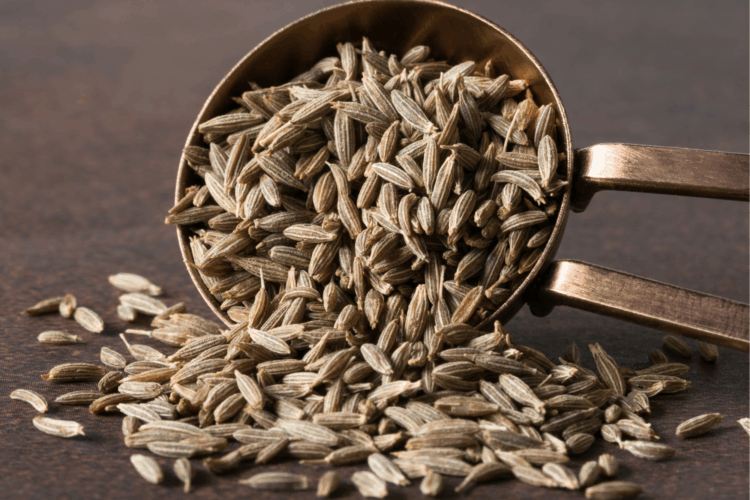
Cumin is a warm, earthy spice made from the dried seeds of the Cuminum cyminum plant, a member of the parsley family. Known for its distinctive aroma—often described as nutty, smoky, and slightly peppery—cumin is one of the oldest cultivated spices in the world. It has been used for thousands of years across the Middle East, India, and Mediterranean regions, not only as a culinary ingredient but also for its perceived medicinal properties. The seeds can be used whole or ground, with the ground form being especially popular in spice blends like curry powder, garam masala, and chili powder.
In cooking, cumin plays a key role in adding depth and warmth to both savory dishes and spice mixes. It’s commonly toasted to enhance its flavor before being added to soups, stews, vegetables, and sauces. Beyond its taste, cumin has a reputation for supporting digestion and providing antioxidants, making it a favorite in both traditional cuisine and wellness circles. Its versatility and rich history have secured its place as a pantry staple for home cooks and professional chefs around the world.
History of Cumin
Cumin’s story begins not just as a kitchen spice but as a cultural marker woven into the daily life of ancient civilizations. In early Mesopotamia, cumin wasn’t merely harvested—it was recorded in some of the earliest clay tablets as a key ingredient in both food and ritual offerings. Its presence in household inventories suggests it was a staple long before global trade expanded, valued enough to be tracked like grain or oil. Rather than being reserved for elites, cumin appears to have been a democratic spice, used by ordinary families as well as priests and healers, hinting at its integral role in everyday life.
As centuries passed, cumin became one of the first spices to travel widely due to its ability to thrive in arid climates and be stored for long periods. Caravans moving across Persia and into Central Asia carried it not only as a commodity but as part of cultural exchange—wherever traders settled, cumin took root in the local cuisine. Unlike more exotic spices that surged in and out of fashion, cumin’s adoption was steady and persistent, shaping regional flavor profiles from North Africa to South Asia. Its survival across shifting empires and trade networks speaks to its adaptability; it’s a spice that didn’t just endure history but quietly influenced it through the meals and medicines of countless communities.
Recipes
Browse the recipes below to see delicious ways to use cumin
Taste Profile
Cumin has a bold, unmistakable flavor profile that stands out even in complex spice blends. Its taste is often described as warm, earthy, and slightly smoky, with a deep savoriness that adds instant richness to dishes. When you bite into whole cumin seeds, you get a burst of pungency with subtle citrus notes and a hint of bitterness. Ground cumin, on the other hand, offers a smoother, more integrated warmth that spreads evenly through a dish, making it a go-to seasoning for soups, stews, and marinades.
A unique part of cumin’s flavor comes from its aromatic qualities. When heated—whether toasted in a dry pan or bloomed in hot oil—the spice releases an inviting aroma that’s nutty and almost buttery, transforming its sharpness into a rounded, mellow depth. This aromatic shift is why many cuisines toast the seeds before use. Its ability to add both high, bright notes and low, earthy undertones makes cumin incredibly versatile, capable of enhancing everything from roasted vegetables to curries, beans, and even bread.
How to Store and Use Cumin
To get the best flavor out of cumin, proper storage is key. Whole cumin seeds last the longest—they can stay fresh for about a year or more when stored in an airtight container kept in a cool, dark place. Ground cumin has a shorter shelf life because its volatile oils dissipate more quickly, so it’s best used within six months for maximum aroma and taste. Avoid storing cumin near heat sources like stovetops, as warmth speeds up flavor loss. If you buy cumin in bulk, keep a small amount in a spice jar for everyday use and store the rest in a tightly sealed container away from light and moisture.
Using cumin can be as simple or as creative as you like. Whole seeds are great for tempering—adding them to hot oil at the start of cooking to release their aroma before adding other ingredients. This technique is common in Indian, Middle Eastern, and North African dishes. Ground cumin is ideal when you want its flavor to blend seamlessly into soups, sauces, spice rubs, or marinades. Toasting whole seeds before grinding them at home gives you a fresher, more vibrant cumin powder than most store-bought versions. Experimenting with both forms will help you discover just how much depth cumin can bring to your cooking.