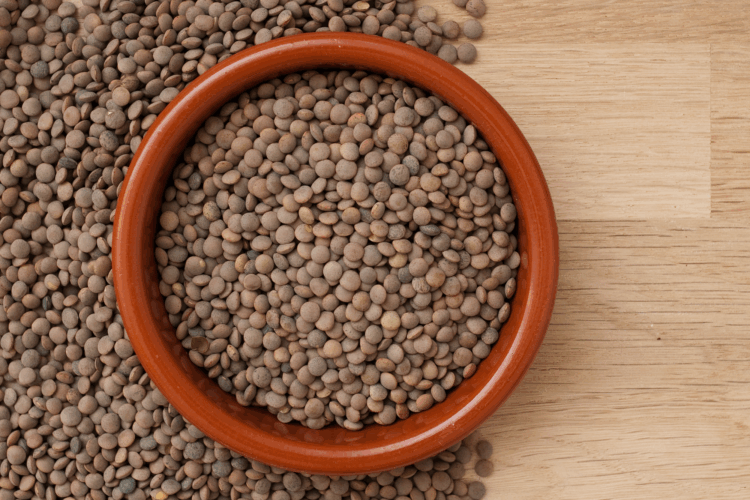
Sabut masoor is the whole, unpolished version of masoor dal. It has a brown to dark brown skin and a deep orange interior. The lentils are small, lens shaped, and highly nutritious. They provide plant based protein, fibre, folate, and iron, which makes them an important part of everyday cooking in many Indian households.
Unlike the split red masoor dal that becomes creamy within minutes, sabut masoor cooks into individual soft grains that hold their shape. This makes it suitable for dals with texture, hearty stews, salads, one pot dishes, and comforting home style preparations. It has a naturally earthy and warm flavour that works well with simple seasoning or more layered spice combinations.
Origins and History
Masoor is one of the oldest cultivated pulses, with its origins traced to the Near East and Mediterranean region. From there it spread across South Asia, where it became a reliable crop in regions with dry climates. Ancient agricultural records and traditional food practices from India show long term use of both whole and split masoor.
Sabut masoor plays a strong role in North Indian and Himalayan cooking. It is known for its balanced nutrition, affordable cost, and short cooking time compared to many other whole dals. Today, India, Turkey, Nepal, and Canada are major producers of masoor, and sabut masoor continues to be a staple ingredient in dals and plant based meals.
Taste Profile
Sabut masoor has a mild earthy flavour with a slightly nutty undertone. It tastes deeper and more robust than split red masoor because the skin adds body and a warm savoury note. When cooked, the lentils become tender and creamy inside while still retaining their shape on the outside.
The flavour pairs well with cumin, coriander, turmeric, black pepper, and simple herb based seasonings. It also blends beautifully with tomatoes, coconut milk, green chillies, fresh herbs, and lemon. The final taste is comforting and grounded, which makes this dal ideal for everyday meals.
How to Store and Use
Store sabut masoor in an airtight jar in a cool dry cupboard. It stays good for many months. Older lentils may need slightly more cooking time, but the flavour remains pleasant. After cooking, the dal can be kept in the refrigerator for three to four days or frozen for up to two months.
Sabut masoor can be used in traditional dals, thick soups, stews, salads, khichdi style dishes, and stuffed vegetable fillings. It works well with light tempering, coconut based gravies, tomato based gravies, and warm spice blends. Because it keeps its shape, it is excellent for meal prep.
How to Cook Sabut Masoor
Instructions
Step 1: Rinse the Dal
- Place the dal in a bowl or sieve and rinse under running water until the water runs clear. There is no need to soak, but a short one hour soak can reduce cooking time a little.
Step 2: Add Water
- Add one cup of rinsed sabut masoor to a pot with three cups of water. This ratio works for a textured dal. For a more soup-like consistency, use four cups of water.
Step 3: Simmer
- Bring the pot to a boil and then reduce the heat to a gentle simmer. Cook for 25 to 40 minutes depending on the age of the dal. Stir occasionally and top up water if needed. For pressure cooker cooking, cook for two whistles on medium heat.
Step 4: Season
- Add salt only after the dal begins to soften. Early salting can slow down cooking slightly. Once the dal is cooked to your preferred texture, add your tempering or mix in spices, herbs, coconut milk, or tomatoes.
Notes
- For salads or pilaf style dishes, cook until just tender.
- For everyday dal, cook until soft but still holding shape.
- For creamy results or blended soups, cook longer until the interior fully softens.