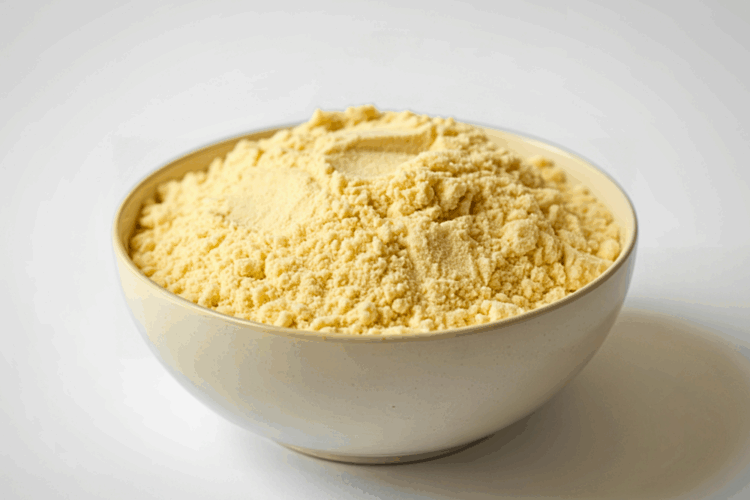
Roasting chickpea flour, also known as besan, is a foundational kitchen technique that dramatically improves its flavor, aroma, and digestibility. Raw besan has a strong, beany smell and taste that can overpower a dish if not handled correctly. Proper roasting removes that rawness and brings out a nutty, warm aroma that forms the base of many classic preparations. This guide explains when and why to roast chickpea flour, how it is used across cuisines, its benefits, and the correct method to roast it evenly without burning.
Jump to RecipeChickpea flour is widely used in both everyday cooking and festive dishes, but it must be roasted properly to shine. Whether you are making ladoos, kadhi, pakoras, or savoury snacks, roasting besan is what gives the final dish depth and balance. Unlike roasting whole spices, flour requires patience and constant attention. Once you learn how to do it correctly, the process becomes intuitive and reliable.
Why Roasting Chickpea Flour Matters
Chickpea flour behaves very differently before and after roasting. Raw besan has a strong, earthy smell and a slightly bitter taste that can dominate a dish if left untreated. Roasting transforms the flour by removing its rawness and developing a deeper, nuttier aroma that blends smoothly into recipes.
Roasting also changes the texture. Properly roasted besan feels lighter, silkier, and less pasty when mixed with liquids. This makes batters smoother, gravies more cohesive, and sweets more aromatic. From a digestion perspective, roasting helps break down compounds that can feel heavy on the stomach, making the flour easier to digest and more comfortable to eat regularly.
In short, roasting is what turns chickpea flour from a raw ingredient into a finished, usable base for both savoury and sweet dishes.
Health Benefits
Roasted chickpea flour offers both nutritional and digestive advantages.
- High in plant based protein
- Rich in fiber that supports gut health
- Naturally gluten free
- Supports stable blood sugar levels
- Easier to digest once roasted properly
- Provides iron, magnesium, and B vitamins
Roasting improves digestibility and reduces the heaviness that raw chickpea flour can cause.
Suggested Uses
Roasted besan is extremely versatile and works well in clean, simple cooking styles.
- Use as a base for besan ladoos and other sweets
- Use in pakora or fritter batters with vegetables
- Make besan chilla or savoury pancakes
- Use as a thickener for soups and gravies
- Add to vegetable stir fries for body and flavour
- Make steamed snacks like dhokla or patra batter
- Use in gluten free baking and flatbreads
Properly roasted besan blends smoothly and enhances dishes without raw aftertaste.
Good to Know
- Raw besan smells grassy and tastes bitter. Roasting removes this completely.
- Always roast on low to medium low heat. High heat will burn the flour.
- Stirring constantly is non-negotiable to prevent uneven roasting.
- The color change is subtle. Aroma is the best indicator of doneness.
- Roasted besan continues cooking from residual heat, so remove it early.
- Roasted flour should smell nutty and warm, never sharp or burnt.
- Use a heavy bottom pan for even heat distribution.
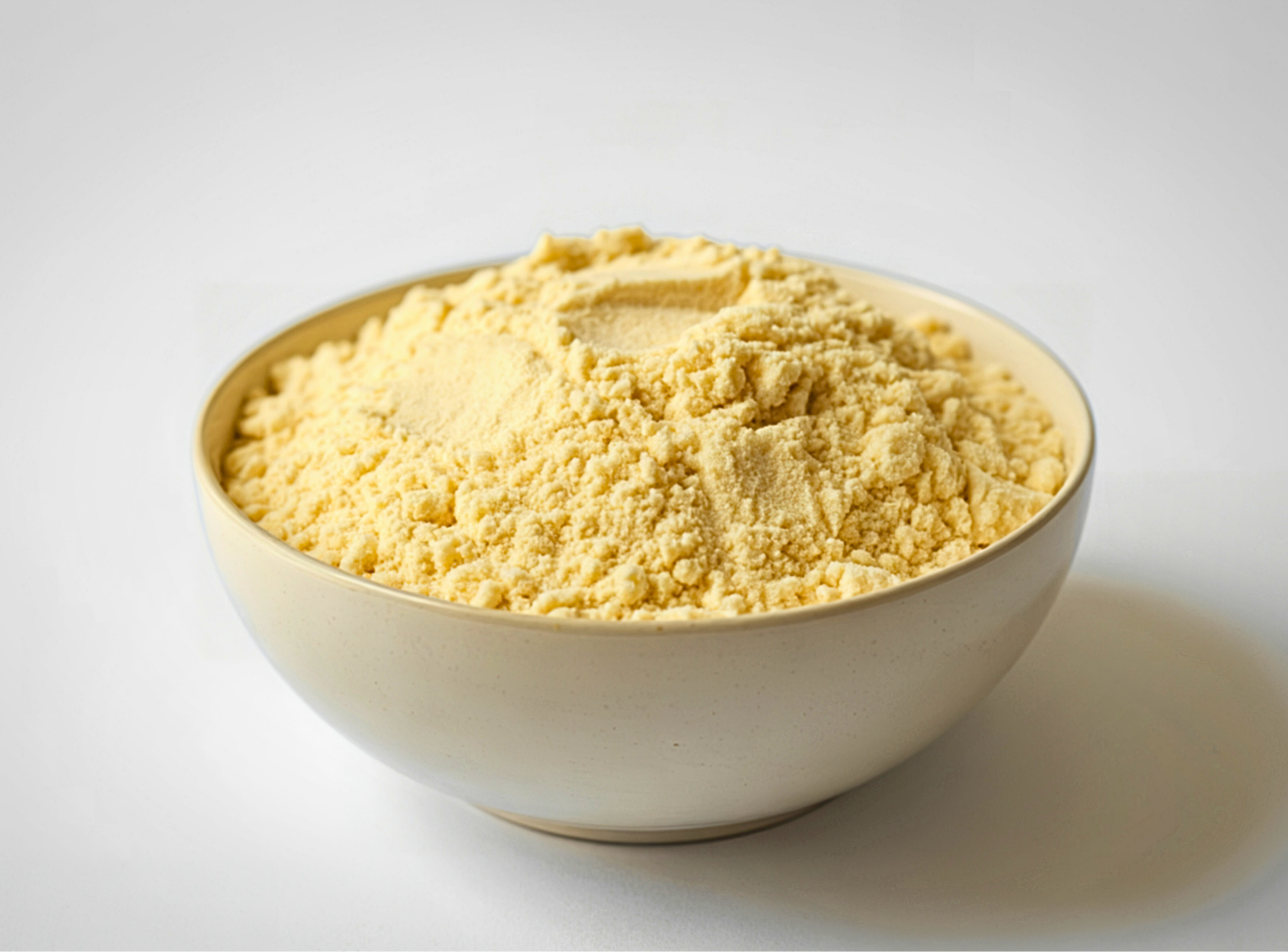

How to Roast Chickpea Flour
Ingredients
Equipment
Method
- Place a clean, dry, heavy bottom pan on low heat. Let it warm for about 30 seconds.
- Add the required quantity of besan to the pan. Spread it evenly.
- Start stirring immediately. Use slow, continuous movements to prevent sticking or burning.
- Keep the flame low throughout. Roasting besan is a slow process and can take 10 to 15 minutes depending on quantity.
- At first, the flour will smell raw and grassy. Gradually, it will begin to smell nutty and warm.
- This aroma change is the most reliable sign that the flour is roasted.
- The colour may deepen slightly, but do not wait for a dark colour. The texture will feel lighter and smoother as it roasts.
- Once the nutty aroma is strong and consistent, immediately transfer the roasted flour to a plate or bowl.
- Leaving it in the hot pan can cause over roasting.
- Let the roasted besan cool fully before using or storing. This prevents condensation and clumping.
Notes
- Always roast chickpea flour on low heat to prevent burning and uneven cooking.
- Stir continuously and scrape the bottom and sides of the pan to avoid hot spots.
- Aroma is a better indicator than color. Stop roasting as soon as the nutty smell develops.
- Transfer the roasted flour out of the hot pan immediately to prevent over roasting.
- Use a heavy bottom pan for consistent heat distribution.
- Let the flour cool completely before storing or using in recipes.
- Store roasted chickpea flour in an airtight container in a cool, dry place.
I used to skip roasting, but the difference in flavor is incredible. The key is watching for the aroma change rather than just the color; once it smells like toasted popcorn, the raw, bitter aftertaste vanishes. I thought roasting it didn’t matter but turns out it does. If you’re on the fence, take the extra 10 minutes—it’s a total game-changer!