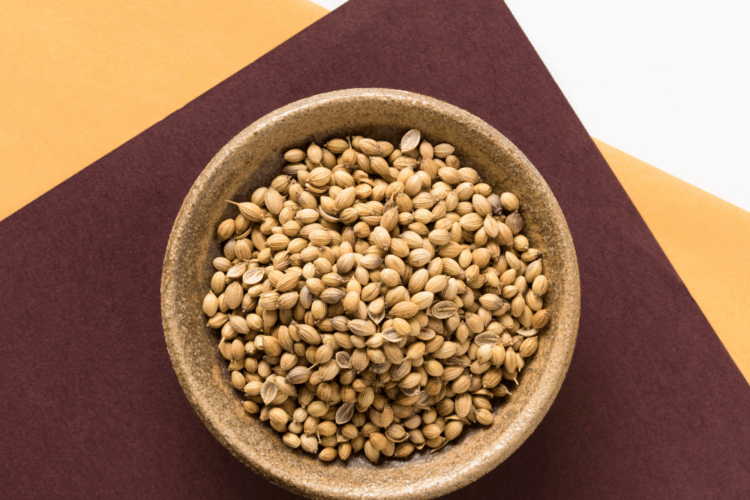
Coriander seeds are the dried fruits of the Coriandrum sativum plant, which is the same plant that produces fresh coriander leaves (commonly called cilantro). While the leaves offer a bright, herbaceous flavour, the seeds have a completely different profile — warm, nutty, and lightly citrusy. They are used whole, crushed, or ground, depending on the dish.
In cooking, coriander seeds are an essential spice across Indian, Middle Eastern, Mediterranean, and Latin American cuisines. They act as a flavour base in spice blends, pickles, curries, and broths, and are often dry-roasted to intensify their aroma. The seeds also have traditional uses in herbal remedies, especially for digestion.
Recipes To Try
Explore delicious recipes you can make using this ingredient
Origins and History
Coriander is one of the oldest known spices, with archaeological evidence tracing its use back over 7,000 years. It was cultivated in ancient Egypt, where coriander seeds were found in tombs, including that of Tutankhamun. The spice was valued not just for cooking but also for its medicinal and ritual significance.
The plant spread across Greece and Rome, where it became a staple in early European cuisine. The Romans used coriander seeds for preservation and flavoring, and their trade networks helped carry the spice across Europe and Asia. As global trade expanded, coriander became a foundational ingredient in regional spice blends — from Indian garam masala to Middle Eastern baharat.
Today, coriander is grown worldwide, with India being one of the largest producers and consumers. Its use continues to evolve as modern cuisines adopt it in everything from artisanal breads to vinaigrettes.
Taste Profile
Coriander seeds offer a warm, gently sweet flavour layered with citrusy notes. Their aroma is often described as a mix of lemon zest, toasted nuttiness, and a mild herbaceous undertone. When you bite into a whole seed, you get tiny bursts of citrus and spice that feel both bright and earthy at the same time.
Toasting the seeds transforms their character — the heat draws out natural oils, deepening the nuttiness and adding a subtle caramel-like warmth. Ground coriander, meanwhile, is softer and more rounded, dispersing flavor evenly through a dish. This versatility allows coriander to pair easily with other spices like cumin, fennel, ginger, and pepper, making it a backbone ingredient in curries, pickles, breads, and marinades. The flavor is gentle yet complex, adding depth without overpowering other elements.
Good to Know
Coriander seeds release their best flavor when lightly crushed just before cooking, as this exposes the essential oils that give them their citrusy warmth. Whole seeds also stay fresh far longer than ground coriander, so it’s ideal to grind small amounts as needed. Traditionally, coriander has been used to support digestion, which is why it often appears in herbal teas and post-meal infusions. Its mild flavor makes it easy to pair with stronger spices, and a small sprinkle of roasted, crushed coriander can brighten everything from curries and sabzis to soups, chutneys, and even breads.
How to Store and Use
Store whole coriander seeds in an airtight container, away from light and heat. Whole seeds stay fresh for up to a year, while ground coriander loses potency faster, so it’s best to grind small batches as needed. Keeping them in a cool, dry pantry helps preserve their essential oils and aroma.
To use, you can add the seeds whole for slow-cooked dishes like dals, curries, pickles, and broths. Lightly crushing the seeds before adding them helps release more flavor. Dry-roasting is another common technique — heat them in a pan until fragrant, then use whole or grind.
Coriander powder is convenient for quick cooking, rubs, and marinades. It blends well with cumin, fennel, pepper, and turmeric, forming the backbone of many Indian spice mixes. However you use it, coriander seeds add gentle warmth and citrusy depth that elevate both everyday dishes and complex spice blends.