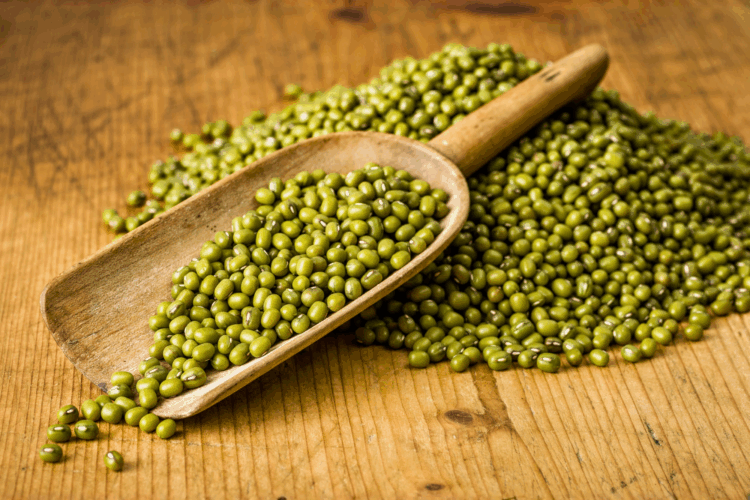
Moong, also known as the mung bean, is valued for its light, gentle flavour and soft texture. It is one of the most calming and easily digestible lentils, which makes it suitable for everyday meals as well as for people recovering from illness or looking for lighter food. It is rich in plant based protein, fibre, folate, and essential minerals. Because it cooks quickly and becomes creamy, moong dal is used in dals, soups, khichdi, pancakes, stir fries, and even desserts.
It is available in several forms, each with its own texture and cooking use. The whole version is called sabut moong and has a green skin. When the skin is removed, you get yellow moong dal. When it is split but the skin is left on, you get chilke wali moong dal, which has a green and yellow appearance. All forms of moong dal are highly nutritious, easy to digest, and very quick to cook.
Origins and History
Moong dal has been cultivated in India for thousands of years. Ancient texts and agricultural records show widespread use of mung beans across the Indian subcontinent. The plant grows well in warm climates and requires relatively little water, which made it a valuable crop in historical farming systems. Over time, it spread to Southeast Asia, East Asia, and parts of Africa, where it gained popularity in regional cuisines.
In Indian cooking, moong dal became a daily staple. Each region developed its own ways of preparing it, from simple tempering based dals to rich festive dishes. The whole bean also became a key ingredient in traditional sprouting practices. Today, India remains one of the largest producers and consumers of mung beans, although significant cultivation also occurs in China, Myanmar, and Thailand.
Taste Profile
Moong has a mild, earthy flavour with a slight sweetness that becomes more pronounced when it is cooked. The taste is gentle and calming, which is why the dal pairs well with lighter spices or minimal seasoning. Unlike the yellow dal, whole moong retains some bite and a more robust earthy profile.
Because moong does not have a strong taste of its own, it absorbs flavours from spices, herbs, and vegetables very easily. It works beautifully with turmeric, cumin, coriander, black pepper, ginger, and green chillies. It also pairs well with tomatoes, coconut milk, lemon, and fresh herbs. The final taste is warm, comforting, and soothing, which makes it suitable for both simple and richly seasoned preparations.
How to Store and Use
Store moong in an airtight container in a cool dry place. It stays fresh for many months and usually cooks evenly even after long storage. Cooked moong can be kept in the refrigerator for three to four days or frozen for up to two months. Moong is one of the most versatile lentils. Whole moong can be used in salads, stews, stir fries, and sprout based dishes.